
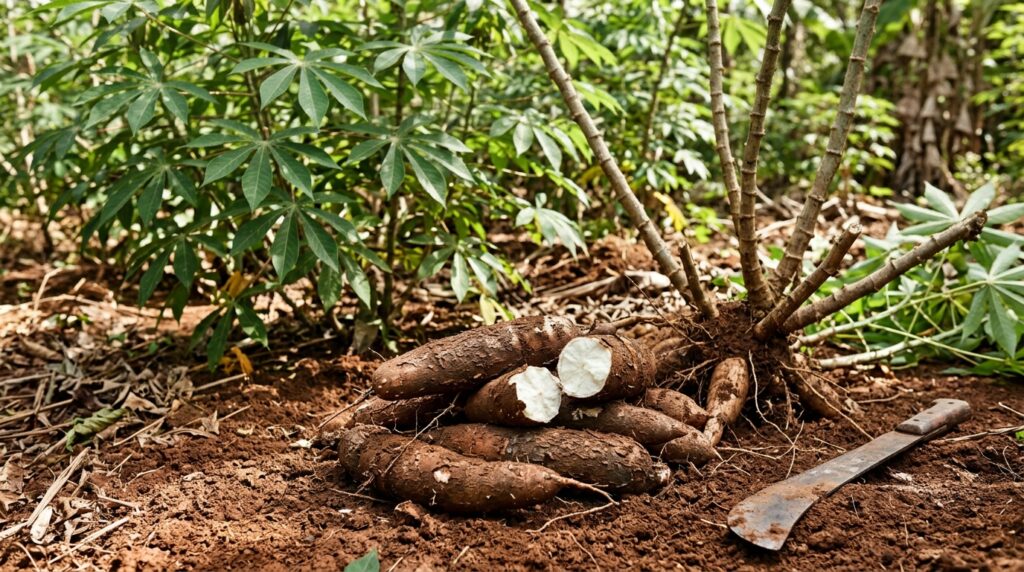

Maniok yuca is a popular starchy root vegetable that has earned an important place in traditional cuisines around the world. Known by several names, including cassava, manioc, and yuca, this tropical root is appreciated for its versatility, satisfying texture, mild flavor, and ability to provide energy. From everyday family meals to traditional dishes and modern gluten-free recipes, maniok yuca continues to be an essential ingredient in many kitchens.
Although it may look similar to other root vegetables, maniok yuca has distinctive nutritional characteristics and culinary uses. It can be boiled, steamed, fried, baked, mashed, or processed into flour and starch. Its naturally neutral taste makes it suitable for both savory and sweet preparations.
Beyond its culinary appeal, maniok yuca is also an interesting agricultural crop. It grows in tropical and subtropical environments and can tolerate relatively challenging growing conditions. This adaptability has helped make it an important food source in several regions of Africa, Asia, and Latin America.
Whether you are discovering this ingredient for the first time or looking for new ways to incorporate it into your meals, understanding maniok yuca can help you appreciate its nutritional value, cultural significance, preparation methods, and potential benefits.
What Is Maniok Yuca?
Maniok yuca is the edible root of a tropical plant scientifically known as Manihot esculenta. It belongs to the Euphorbiaceae family and is cultivated primarily for its carbohydrate-rich underground roots.
The plant originated in South America, where indigenous communities cultivated it for generations. Over time, it spread to other tropical regions and became an important agricultural and dietary crop.
The root typically has rough brown skin and firm white or pale yellow flesh. Depending on the variety, its size, shape, and texture can vary. When properly prepared and cooked, the flesh becomes tender and develops a pleasant, slightly sweet flavor.
Maniok yuca is particularly valued because it provides substantial amounts of dietary energy. It is also used to manufacture various food products, including cassava flour, tapioca starch, and other processed ingredients.
Is Maniok Yuca the Same as Cassava?
Yes. Maniok, yuca, manioc, and cassava generally refer to the same plant, Manihot esculenta.
The names vary according to language and geographical region. For example, cassava is commonly used in English-speaking countries, while manioc and maniok are used in several European languages. Yuca is widely used in Latin American and Caribbean food cultures.
It is important not to confuse yuca with yucca. Yucca refers to a different group of ornamental and edible plants. Despite their similar spelling and pronunciation, they are not the same botanical species.
Nutritional Value of Maniok Yuca
One of the main reasons maniok yuca is widely consumed is its carbohydrate content. It provides energy and can serve as a substantial component of a balanced meal.
Fresh cassava root contains carbohydrates primarily in the form of starch. It also provides small quantities of dietary fiber, vitamin C, potassium, and other minerals.
The exact nutritional composition depends on the variety, growing conditions, storage, and preparation method.
Important Nutrients Found in Maniok Yuca
1. Carbohydrates
Carbohydrates are the dominant nutritional component of maniok yuca. They provide the body with energy needed for everyday activities, physical movement, and normal metabolic functions.
Because of its starch content, cassava can be particularly useful as an energy-producing staple in meals.
2. Dietary Fiber
Maniok yuca contains dietary fiber, although the amount varies depending on the preparation and whether the root is consumed whole or processed.
Fiber contributes to digestive health and helps support normal bowel movements. Eating cassava alongside vegetables, legumes, and other fiber-rich foods can improve the overall nutritional balance of a meal.
3. Vitamin C
Fresh cassava contains vitamin C, an essential nutrient involved in collagen production, immune system function, and antioxidant protection.
However, vitamin C is sensitive to heat, and its quantity can decrease during cooking and processing.
4. Potassium
Potassium is an important mineral that supports normal muscle function, nerve signaling, and fluid balance.
Cassava provides some potassium, although it should not be considered a replacement for other potassium-rich foods such as beans, potatoes, leafy vegetables, and bananas.
5. Magnesium and Other Minerals
Maniok yuca also contains smaller amounts of minerals, including magnesium and phosphorus.
These nutrients participate in several important processes, including bone maintenance, energy metabolism, and normal cellular function.
Potential Health Benefits of Maniok Yuca
When properly prepared and eaten as part of a balanced diet, maniok yuca can contribute to everyday nutritional needs.
Its benefits are mainly associated with its carbohydrate content and the nutrients naturally present in the root.
1. Provides Energy for Daily Activities
One of the most recognized benefits of maniok yuca is its ability to provide dietary energy.
Its starch content makes it a useful carbohydrate source for people who need satisfying meals. It can support daily physical activities and complement other foods in a balanced eating pattern.
People who perform physically demanding work or participate in regular exercise may appreciate its energy-providing qualities.
2. Naturally Gluten-Free
Cassava is naturally gluten-free, making it a useful ingredient for individuals who need to avoid gluten.
Cassava flour can be used in various recipes, including pancakes, flatbreads, cookies, and selected baked products.
However, people with celiac disease should check product labels and manufacturing practices to avoid cross-contamination during processing.
3. Supports a Balanced Diet
Although maniok yuca is primarily a carbohydrate source, it can contribute to a varied diet when combined with different food groups.
For example, serving boiled cassava with vegetables, eggs, fish, chicken, or beans creates a more nutritionally balanced meal.
This combination provides carbohydrates alongside protein, fiber, vitamins, and minerals.
4. Contains Naturally Occurring Vitamin C
Vitamin C contributes to several important functions in the human body.
It supports collagen formation, helps protect cells against oxidative damage, and improves the absorption of non-heme iron from plant-based foods.
Including cassava as one of several vitamin C-containing foods can contribute to overall dietary variety.
5. Offers a Versatile Alternative to Other Starchy Foods
Maniok yuca can replace or complement ingredients such as potatoes, rice, and other starchy vegetables.
Its versatility allows people to prepare different meals without relying on a single carbohydrate source.
It can be mashed, boiled, baked, or transformed into flour, depending on individual preferences and regional cooking traditions.
How Is Maniok Yuca Used in Cooking?
Maniok yuca is appreciated in different culinary traditions because it can be prepared in numerous ways.
Its mild taste allows it to absorb seasonings, sauces, herbs, and spices.
Boiled Maniok Yuca
Boiling is one of the most familiar ways to prepare fresh cassava.
After the root has been properly peeled and prepared, it can be cut into manageable pieces and cooked in water until tender.
Boiled cassava is often served with vegetables, sauces, fish, meat, or other traditional dishes.
Its soft texture makes it suitable for people who enjoy simple, filling meals.
Fried Yuca
Fried yuca is a popular snack and side dish in several Latin American and Caribbean cuisines.
The properly prepared root is cooked until tender, allowed to cool, and then cut into strips before being fried.
The result is a crispy exterior with a soft interior.
Fried yuca is commonly served with garlic sauce, spicy dips, or other flavorful condiments.
Mashed Cassava
Mashed maniok yuca offers an alternative to traditional mashed potatoes.
Once safely prepared and cooked, the root can be mashed with suitable seasonings and ingredients such as garlic, herbs, or a little butter.
Its naturally dense texture creates a satisfying side dish that pairs well with vegetables and protein-rich foods.
Cassava Flour
Cassava flour is produced by processing cassava roots into a fine powder.
It is used in a variety of gluten-free recipes, including bread, cakes, cookies, pancakes, and flatbreads.
Because cassava flour behaves differently from wheat flour, recipes may require adjustments to liquid quantities and other ingredients.
Tapioca Starch
Tapioca starch is extracted from cassava and is widely used in the food industry.
It works as a thickening agent in soups, sauces, puddings, and desserts.
It is also an important ingredient in tapioca pearls and certain gluten-free food products.
Popular Dishes Made With Maniok Yuca
Cassava has a rich culinary history, and different cultures have developed their own traditional recipes.
Some popular examples include:
Cassava Fries: Crispy cassava strips served as a snack or side dish.
Yuca con Mojo: A traditional Cuban-style dish featuring cooked yuca with a flavorful garlic and citrus sauce.
Farofa: A Brazilian preparation made with toasted cassava flour, often served alongside meat, beans, and other dishes.
Gari: A fermented and roasted cassava product widely consumed in West Africa.
Fufu: A traditional African food made from processed starchy ingredients, including cassava in many regional variations.
Cassava Cake: A sweet dessert prepared with grated cassava, coconut, sugar, and other ingredients.
These dishes demonstrate how a single root vegetable can become part of very different culinary traditions.
How to Select and Store Fresh Maniok Yuca
Choosing good-quality cassava is important for both food quality and preparation.
When purchasing fresh maniok yuca, consider the following points:
- Choose roots that feel firm and heavy for their size.
- Avoid roots with extensive mold, soft areas, or unpleasant odors.
- Look for fresh-looking flesh when the root has already been cut.
- Avoid products with unusual discoloration or signs of deterioration.
- Purchase cassava from reliable suppliers who understand proper handling and storage.
Fresh cassava is perishable, particularly after it has been harvested.
It should be stored appropriately according to the supplier’s recommendations. Peeled cassava can be refrigerated for short-term storage or frozen after suitable preparation.
Processed cassava products, such as flour and starch, should be kept in clean, dry, airtight containers and stored according to their packaging instructions.
How to Prepare Maniok Yuca Safely
Food safety is especially important when handling cassava.
Raw cassava contains naturally occurring cyanogenic glycosides, including linamarin. These compounds can release hydrogen cyanide, a toxic substance, when plant tissues are damaged.
The concentration varies according to the cassava variety and growing conditions. Bitter cassava generally contains higher concentrations than sweet cassava.
For this reason, cassava should never be eaten raw.
Basic Preparation Guidelines
Follow these general precautions when preparing fresh cassava:
- Select fresh cassava from a reliable food supplier.
- Remove the thick brown outer skin and the underlying peel completely.
- Cut the root into manageable pieces.
- Follow an established preparation method appropriate for the particular cassava variety.
- Cook the cassava thoroughly using a recognized safe preparation procedure.
- Discard the cooking water when required by the preparation method.
- Never taste raw or inadequately processed cassava.
An important distinction is that cooking alone is not a universally reliable detoxification method for every cassava variety, especially bitter varieties.
Traditional processing methods may involve peeling, grating, soaking, fermentation, pressing, drying, and cooking. These methods help reduce cyanogenic compounds when properly performed.
Commercially processed cassava products should also come from reputable manufacturers that follow appropriate food safety standards.
Are There Any Risks Associated With Maniok Yuca?
Despite its popularity, maniok yuca requires careful preparation.
Understanding its potential risks helps consumers enjoy it responsibly.
Cyanide Exposure
The most important safety concern associated with cassava is cyanogenic glycosides.
If cassava is eaten raw or inadequately processed, these compounds can release hydrogen cyanide and cause poisoning.
Possible symptoms of cyanide poisoning include headache, dizziness, nausea, vomiting, abdominal discomfort, confusion, and difficulty breathing.
Severe exposure can result in life-threatening complications.
Anyone who suspects cyanide poisoning should seek emergency medical attention immediately.
Nutritional Imbalance
Cassava is rich in carbohydrates but relatively low in protein and certain essential nutrients.
Depending too heavily on cassava without eating other food groups may contribute to an unbalanced diet.
A healthier approach is to combine it with legumes, vegetables, eggs, dairy products, fish, or other suitable protein sources.
Deep-Fried Preparations
Fried yuca can contain considerably more fat and calories than boiled cassava.
Although fried versions can be enjoyed occasionally, regularly consuming large quantities of fried foods may make it harder to maintain a balanced eating pattern.
Boiled, steamed, or appropriately baked cassava can be useful alternatives.
Maniok Yuca Compared With Potatoes
Both cassava and potatoes are widely consumed starchy root vegetables, but they have different nutritional characteristics.
Cassava generally provides more carbohydrates per 100 grams than boiled potatoes, while potatoes provide different amounts of nutrients, including vitamin B6 and potassium.
Their culinary uses also differ.
Potatoes are commonly used in soups, salads, mashed dishes, and roasted recipes. Cassava is particularly popular in traditional tropical cuisines and is frequently processed into flour and starch.
Neither food is automatically healthier in every situation. Their nutritional value depends on portion size, preparation method, and the rest of the meal.
Maniok Yuca in Agriculture and Food Security
Beyond its role in cooking, maniok yuca is an important agricultural crop.
Its ability to grow in tropical and subtropical climates makes it valuable for farming communities in different parts of the world.
Cassava can tolerate periods of relatively low rainfall better than several other staple crops. This characteristic makes it useful in agricultural systems where rainfall patterns are unpredictable.
It is also valued for its ability to produce substantial quantities of edible roots.
Importance for Rural Communities
Cassava contributes to food availability, household income, and agricultural livelihoods.
Farmers cultivate it for local consumption and commercial purposes. In some regions, cassava is sold fresh, while in others it is processed into flour, starch, chips, and fermented products.
Its versatility creates opportunities for food processing businesses and agricultural supply chains.
Industrial Applications
Cassava is not limited to household cooking.
Its starch is used in several industries, including:
- Food manufacturing
- Paper production
- Textile processing
- Adhesive manufacturing
- Selected pharmaceutical applications
- Industrial starch production
These uses demonstrate the economic importance of cassava beyond its value as a food crop.
Is Maniok Yuca Suitable for a Gluten-Free Diet?
Yes. Pure cassava and cassava flour are naturally gluten-free.
This makes them useful ingredients for people who avoid wheat, barley, and rye.
Cassava flour can be used to prepare a variety of gluten-free foods, including pancakes, tortillas, cookies, and selected breads.
However, gluten-free does not automatically mean nutritionally complete.
Many cassava-based products are primarily sources of starch. For a balanced diet, they should be combined with ingredients that provide protein, fiber, vitamins, and minerals.
People with celiac disease should also choose products that are appropriately labeled and protected against cross-contact with gluten-containing ingredients.
Tips for Including Maniok Yuca in Your Daily Meals
There are many practical ways to incorporate properly prepared cassava into everyday cooking.
Here are some useful suggestions:
Pair it with protein: Serve cassava with beans, eggs, chicken, or fish to create a more balanced meal.
Add vegetables: Include leafy greens, carrots, tomatoes, or other vegetables to improve dietary variety.
Experiment with flour: Use commercially prepared cassava flour in suitable gluten-free recipes.
Try traditional recipes: Explore dishes from Brazilian, Caribbean, African, and other culinary traditions.
Choose suitable cooking methods: Boiled or steamed cassava can be a useful alternative to heavily fried preparations.
Pay attention to portions: Like other starchy foods, cassava should be eaten in amounts that suit individual energy and nutritional needs.
Frequently Asked Questions About Maniok Yuca
1. What is maniok yuca?
Maniok yuca is another name for cassava, a tropical root vegetable scientifically known as Manihot esculenta. It is widely consumed because of its high starch content and versatility in cooking.
2. Is maniok yuca healthy?
Properly prepared maniok yuca can be part of a balanced diet. It provides carbohydrates, some dietary fiber, vitamin C, and minerals. However, it should be combined with protein-rich foods and vegetables because it is not nutritionally complete on its own.
3. Can you eat maniok yuca raw?
No. Raw cassava should never be eaten because it naturally contains cyanogenic glycosides that can release toxic hydrogen cyanide. It must undergo appropriate preparation and processing before consumption.
4. Is yuca the same as yucca?
No. Yuca commonly refers to cassava, while yucca refers to a different group of plants. Their names are similar, but they are botanically different.
5. Is maniok yuca gluten-free?
Yes. Cassava is naturally gluten-free. Its flour and starch are commonly used in gluten-free cooking, although people with celiac disease should check product labeling and cross-contamination precautions.
6. What does maniok yuca taste like?
Cooked cassava has a mild, slightly sweet flavor and a starchy texture. It can absorb seasonings and sauces, making it suitable for many savory and sweet dishes.
7. Can maniok yuca replace potatoes?
Yes. Properly prepared cassava can replace potatoes in several dishes, including mashed recipes, side dishes, and fried preparations. However, their nutritional compositions are different.
8. What is cassava flour used for?
Cassava flour is used to prepare gluten-free bread, pancakes, cakes, cookies, tortillas, and other baked products. It is also used in traditional recipes in several countries.
9. Is maniok yuca good for weight management?
Cassava can fit into a balanced eating plan, but portion size and preparation method matter. Its high carbohydrate content means that energy intake should be considered, particularly when it is prepared with large quantities of oil or other calorie-dense ingredients.
10. How should fresh maniok yuca be stored?
Fresh cassava should be handled carefully because it deteriorates relatively quickly after harvesting. Store it according to supplier recommendations, and refrigerate or freeze it appropriately after preparation.
Conclusion
Maniok yuca is much more than an ordinary root vegetable. It is an important food source with a long agricultural history, diverse culinary applications, and considerable economic value.
From boiled cassava and crispy yuca fries to cassava flour and tapioca starch, this versatile ingredient has found its way into kitchens and food industries across the world.
Its carbohydrate content makes it a valuable source of dietary energy, while its naturally gluten-free composition provides additional flexibility for different cooking preferences and dietary requirements.
However, safe preparation should always remain a priority. Raw or inadequately processed cassava can contain dangerous cyanogenic compounds, making appropriate peeling, processing, and cooking essential.
When prepared correctly and combined with a variety of nutritious foods, maniok yuca can be an enjoyable and useful part of a balanced diet.
Whether you are interested in its nutritional properties, traditional recipes, agricultural importance, or gluten-free cooking applications, learning about maniok yuca offers a fascinating introduction to one of the world’s most widely valued tropical root crops.