
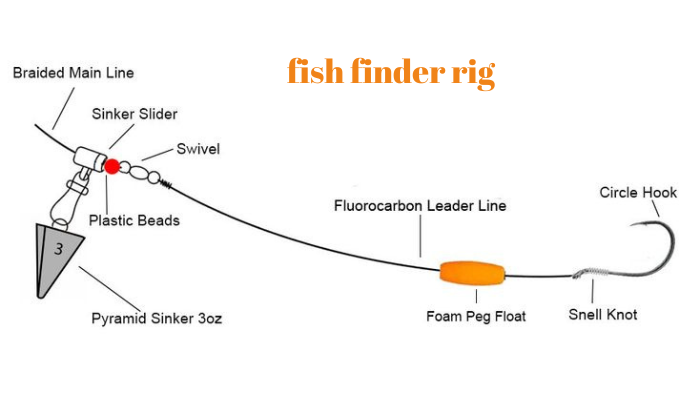

When you’re standing on the deck of your boat with a rod in hand, the last thing you want is to waste hours casting blindly into the water. That’s where fish finder rig come into play. These specialized setups have revolutionized the way modern anglers approach saltwater and freshwater fishing. A fish finder rig isn’t just about attaching your favorite lure to a line. It’s a thoughtfully engineered system designed to work in harmony with your fish finder rig technology, allowing you to locate fish more efficiently and present your bait or lure in the most appealing way possible.
The beauty of a fish finder rig lies in its versatility. Whether you’re targeting striped bass in coastal waters, catfish in rivers, or walleye in lakes, understanding how to construct and deploy these rigs can dramatically improve your success rate. Many anglers spend considerable money on quality fish finding equipment but fail to maximize its potential because they don’t understand how to properly present their offerings. This article will walk you through everything you need to know about fish finder rigs, from basic construction to advanced techniques used by professional guides.
The Anatomy of a Successful Fish Finder Rig
Next comes the leader material. This is where many beginners make mistakes. A leader serves multiple purposes. It provides abrasion resistance where your rig contacts structure, acts as a shock absorber during the strike, and helps disguise your main line from wary fish. Fluorocarbon leaders in the 15 to 20 pound test work wonderfully for most applications because fish have difficulty seeing them underwater.
The weight component is absolutely crucial. Your sinker or weight determines how quickly your rig sinks and how it sits on the bottom or in the water column. Bank sinkers work great for bottom presentations, while slip sinkers allow more natural bait movement. Some anglers prefer egg sinkers for versatility, as they can be used in various configurations depending on fishing conditions.
Finally, your terminal tackle includes hooks, lures, or other attractors. This is where your creativity and knowledge of fish behavior come into play. The size and style of hook should match both your target species and the bait you’re using. A poorly matched hook can result in missed fish or failed presentations.
Constructing Your First Fish Finder Rig
Building your own fish finder rig doesn’t require advanced knot-tying skills or expensive equipment. Start by cutting approximately three feet of leader material and attaching it to your main line using an improved clinch knot or Palomar knot. Both knots are reliable, easy to master, and hold strong under pressure.
Sliding weight rigs offer more flexibility. Use a small bead or stopper knot to create an anchor point for your sinker about eighteen inches from your hook. The beauty of this approach is that your bait can move more freely, and fish often prefer the slightly unnatural movement this creates.
At the end of your leader, attach your hook using the same secure knots you used earlier. Make sure to wet the knot with saliva or water before tightening it. This simple step prevents friction heat that can weaken the knot connection.
Matching Your Rig to Your Fish Finder Technology
Your fish finder provides crucial information about what’s happening beneath the surface. Successful anglers use this data to inform their rig selection. If your sonar shows a dense school of fish sitting just above the bottom, you might adjust your rig to keep your bait suspended slightly higher than usual. Conversely, if fish are scattered throughout the water column, a different approach might be necessary.
Modern fish finders show bottom composition clearly. Hard bottoms like rock and gravel typically hold feeding fish and require heavier sinkers to maintain bottom contact. Soft bottoms like sand and silt allow for lighter presentations since less weight is needed to stay in position. Pay attention to these details and adjust accordingly.
Water clarity also influences your rig construction decisions. In murky water, many anglers increase their sinker weight slightly to ensure the bait reaches bottom quickly before drifting too far away. In clear water, lighter presentations often trigger more strikes because fish aren’t as spooked by the rig.
Regional Variations and Specialized Applications
Coastal anglers often prefer different fish finder rig configurations than their freshwater counterparts. Saltwater presentations typically demand heavier sinkers due to tidal movement and stronger currents. A classic Carolina rig, which features a sliding sinker above a swivel and leader, dominates saltwater applications from the Carolinas through Florida and beyond.
Freshwater anglers, particularly those targeting catfish and bass, frequently use simpler rigs with lighter sinkers. A basic two-hook rig with offset weights works excellently for catfish in rivers and lakes. The offset design allows two baits to be presented simultaneously at slightly different depths, effectively doubling your catching efficiency.
Walleye fishermen have their own preferences. Many successful walleye guides employ slip sinker rigs that allow for incredibly sensitive presentations. The fish finder reveals bottom structure and depth, while the rig presentation keeps the bait in the exact zone where walleye are hunting.
Choosing the Right Bait for Your Fish Finder Rig
Your fish finder tells you where fish are located, but your bait choice determines whether they’ll bite. Live bait presentations typically produce more strikes than dead bait, but they require more skill to maintain on your rig without tangling or fouling.
For saltwater species, mullet, herring, and mackerel are proven producers. Fresh-caught bait works better than frozen alternatives because the natural oils and scent dispersion are stronger. Cut bait presentations work wonderfully when fish are feeding aggressively. A fish fillet or section of mackerel, properly rigged and positioned, creates a scent trail that draws fish from considerable distances.
Freshwater anglers have equally impressive options. Live shiners, crawfish, and nightcrawlers remain standards for good reason. They move naturally on your rig, attracting predator fish through both visual and sensory stimulation. For catfish, chicken liver and stink bait represent time-tested choices that consistently produce results.
Advanced Techniques for Experienced Anglers
Once you’ve mastered basic fish finder rig construction, you can explore advanced presentations that separate successful anglers from occasional fishermen. One advanced technique involves adjusting your rig weight throughout the day as conditions change. Morning and evening presentations might require different sinker sizes than midday fishing when sun penetration is greatest.
Another sophisticated approach uses multiple rigs simultaneously. Many states allow two rods while fishing from boats. Deploy one rig with bottom contact while suspending a second rig at mid-water depths. Your fish finder will guide you to fish schools, and the dual presentation increases your odds of finding their preferred depth.
Experienced anglers also experiment with color-coordinated leaders and beads. Research suggests that certain color combinations attract fish more effectively than others. Glow-in-the-dark beads, bright orange leaders, and pearl-colored attractors have all produced exceptional results for many anglers.
Making Your Fish Finder Investment Worthwhile
Investing in quality fish finder equipment only makes sense if you’re going to maximize its potential through proper rig selection and presentation. Your sonar unit shows you where fish are located, but your rig brings them to your hook. By understanding how these elements work together, you transform expensive electronics into a complete fish-catching system.
The most successful anglers view fish finder rigs as dynamic tools that require constant adjustment and refinement. They study their fish finder data, note patterns, and adjust their rigs accordingly. This thoughtful approach to fishing separates those who catch consistently from those who occasionally get lucky.
Read Also: Fish Finder Rig: The Modern Angler’s Complete Guide