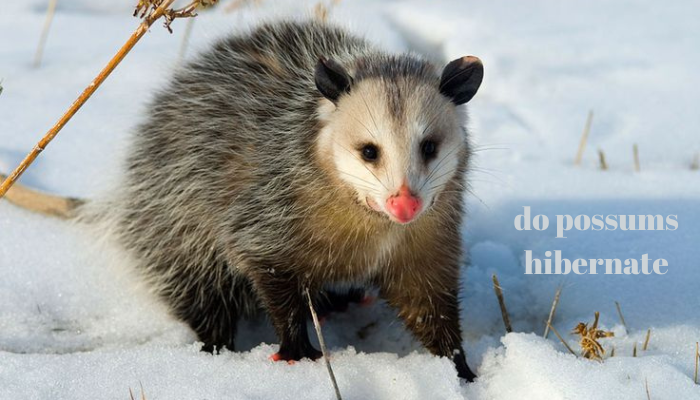

One of the most common questions wildlife enthusiasts ask is whether do possums hibernate actually hibernate. The short answer is no, possums do not hibernate in the traditional sense. However, this straightforward response barely scratches the surface of how these fascinating marsupials adapt to survive during colder months.
When we think about hibernation, our minds typically conjure images of bears entering deep caves to sleep through entire winters in a dormant state. Possums, however, have evolved a different survival strategy that’s equally impressive, just far less dramatic. Instead of entering full hibernation, they rely on a combination of behavioral and physiological adaptations that allow them to thrive even when temperatures drop and food becomes scarce.
What Is Torpor and How Do Possums Use It?
While possums don’t hibernate, they do enter a state called torpor. This is where things get genuinely interesting. Torpor is essentially a short-term hibernation state that can last anywhere from a few hours to several days. During torpor, a possum’s body temperature drops, their metabolic rate decreases, and they become less active. Think of it as taking strategic naps during the hardest parts of winter rather than sleeping through the entire season.
This survival mechanism proves incredibly valuable because it allows possums to survive in regions where temperatures can fluctuate dramatically. Unlike animals locked into hibernation cycles, possums can respond immediately to changing conditions. If a warm spell hits mid-winter, they can wake up, forage for food, and then return to torpor when cold returns.
Geographic Variations in Possum Behavior
Not all possums experience winters the same way, which is why their hibernation habits vary based on location. The Virginia opossum, the most common species in North America, ranges across the continent from Central America through the United States and into Canada. This massive geographic range means these possums encounter vastly different winter conditions.
Possums living in warmer southern regions might rarely if ever enter torpor. During mild winters, they maintain regular activity patterns, continuing to forage and move around much like they do during other seasons. Their bodies don’t face the metabolic stress that demands entering a dormant state.
The Canadian possum population particularly demonstrates this adaptation. These northernmost possums are generally smaller than their southern cousins, which actually helps them conserve heat more efficiently. Their ears and tails, which are hairless and can lose heat rapidly, show less frostbite damage than you might expect, suggesting they’ve evolved enhanced circulation in these areas to prevent tissue damage during cold exposure.
How Possums Prepare for Winter
Understanding how possums survive winter requires looking at their preparation strategies. Starting in late summer and continuing through fall, possums increase their caloric intake dramatically. They’re eating everything they can find: fruits, vegetables, carrion, insects, and small animals. This isn’t just about enjoying abundant food, it’s a survival strategy.
Possums also show increased foraging for non-traditional food sources as winter progresses. They’ll eat carrion more readily, consume bark and woody vegetation, and search for cached food they’ve discovered previously. Their relatively low metabolism compared to similarly sized mammals works in their favor here, allowing them to survive on less food than many other animals.
The Role of Shelter in Possum Survival
Shelter ranks among the most critical factors determining whether a possum survives winter successfully. A protected den can mean the difference between life and death during the coldest nights. Possums show clear preferences for certain shelter types, often selecting hollow trees that offer insulation and protection from wind and precipitation.
These shelters function as thermal refuges, reducing heat loss and allowing possums to conserve energy more effectively. The interior of a hollow tree maintains temperatures several degrees higher than the outside air, creating a microclimate that makes torpor more energy-efficient.
Possums aren’t particularly picky about shelter as long as it’s suitable. They’ll use abandoned burrows created by other animals, dense brush piles, abandoned buildings, attics, and drainage culverts. In urban environments, they’ve adapted to using storm drains, spaces under porches, and other human-created structures. This remarkable ability to utilize available shelter has contributed to their success in diverse environments.
Regional Climate Impacts on Possum Activity
Climate significantly influences possum hibernation and torpor behavior. In regions with mild winters and minimal snow, possums may never enter sustained torpor states. Mild winters in southern states mean possums can continue foraging regularly throughout the season. These possums might enter torpor on occasional cold nights but maintain relatively normal activity patterns most of the time.
Conversely, regions with harsh winters and consistent freezing temperatures see possums spending significantly more time in torpor. Some days during the deepest winter months might find possums in torpor nearly continuously, awakening only on relatively warmer days to search for food.
The unpredictability of North American winters adds another layer of complexity. A mild December might be followed by a brutal January. Possums must remain physiologically prepared to enter torpor quickly when conditions suddenly deteriorate. Their ability to rapidly shift into and out of torpor states represents a significant evolutionary advantage in regions with variable winter weather.
Why Possums Don’t Fully Hibernate
Understanding why possums haven’t evolved true hibernation actually reveals something important about their evolutionary success. True hibernation requires animals to store enough body fat and energy reserves to survive entire months without eating. For a possum’s body size and metabolism, this would require consuming enormous quantities of food during fall months, which would present its own challenges.
Additionally, possums have been remarkably successful in expanding their range northward over recent decades. Their flexibility in utilizing diverse food sources and shelter types, combined with their torpor mechanism, provides sufficient cold-season survival without the commitment that true hibernation demands. Natural selection has favored this flexible approach over the more extreme hibernation strategy.
Possums also demonstrate omnivorous feeding habits that don’t concentrate heavily on seasonal foods. Bears, for example, rely on salmon runs and berry crops that peak at specific times. Possums eat whatever is available year-round, from insects to carrion, allowing them to maintain some foraging opportunities even in winter.
Supporting Possums Through Winter
If you live in an area with possum populations, understanding their winter needs can help you support local wildlife. Possums benefit from shelter options like brush piles, dense shrubs, and dead trees left standing. These provide critical refuge during cold periods.
Food sources matter too. Possums appreciate fruit trees, vegetable gardens, and carrion piles. While you might not want to actively attract possums to your property, allowing natural food sources to exist and leaving out appropriate food scraps can help wild populations survive harsh winters.
Read Also: Do Possums Hibernate? A Complete Guide