
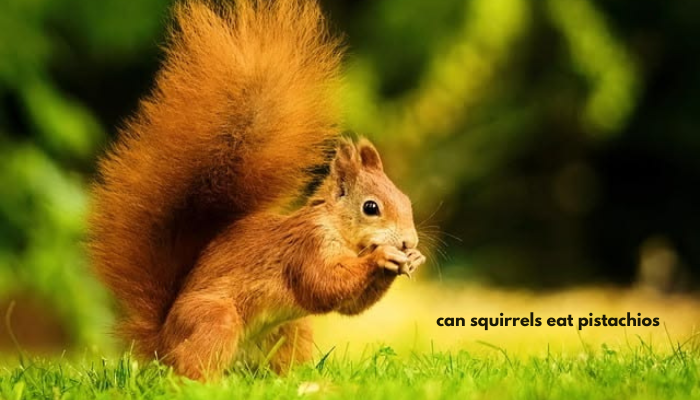

Can squirrels eat pistachios have earned a reputation as curious foragers with seemingly endless appetites. If you’ve ever watched these bushy-tailed creatures scurrying around your yard or park, you’ve probably wondered what they actually eat and whether certain human foods might be safe for them. The truth is that squirrels are opportunistic eaters, meaning they’ll consume whatever food sources are readily available in their environment. However, availability doesn’t always mean nutritional value or safety.
Before diving into the pistachio question specifically, it’s helpful to understand what squirrels naturally eat. In the wild, squirrels primarily consume nuts like acorns, walnuts, and hazelnuts. They also eat seeds, fruits, vegetables, and occasionally insects and fungi. Their bodies have evolved over thousands of years to process these natural foods efficiently. This evolutionary background is important because it sets the baseline for understanding which human foods might be appropriate for squirrels to eat.
The Nutritional Profile of Pistachios
Pistachios are nutrient-dense foods that humans love for good reason. These small green nuts packed inside hard shells are rich in protein, healthy fats, fiber, and various vitamins and minerals. Specifically, pistachios contain significant amounts of vitamin B6, manganese, and copper. They’re also lower in calories compared to many other nut varieties, making them a relatively healthy snack choice for people watching their weight.
From a basic nutritional standpoint, many of these benefits could theoretically appeal to squirrels as well. Squirrels need protein to maintain their muscular bodies and support growth, especially during breeding season. They also need healthy fats to maintain their energy levels and support their nervous systems. The question becomes whether pistachios offer these nutrients in a form that squirrels can safely digest and utilize.
Can Squirrels Actually Eat Pistachios Safely
The straightforward answer is yes, squirrels can eat pistachios, and they typically do so without experiencing immediate harm. Many squirrels will readily consume pistachios if given the opportunity, particularly if the shells have already been cracked open. This is because squirrels are excellent at breaking through nut shells and extracting the nutritious kernel inside. However, being able to eat something and it being ideal for a squirrel’s diet are two entirely different matters.
The key concern with pistachios isn’t toxicity but rather several other factors that make them less than ideal for regular consumption. Understanding these concerns helps you make informed decisions about what to feed squirrels if you’re a backyard wildlife enthusiast.
Salt Content and Additives in Pistachios
One of the primary concerns with feeding pistachios to squirrels involves salt and other additives. Most commercially available pistachios sold for human consumption are heavily salted. While humans can handle moderate sodium intake, squirrels have different physiological needs and tolerances. Excessive salt consumption can lead to serious health issues in squirrels, including kidney problems and increased thirst.
Additionally, many commercially roasted pistachios contain other seasonings and additives that aren’t appropriate for wildlife. Some varieties include garlic, spices, or preservatives that could upset a squirrel’s digestive system or cause other health complications. Raw, unsalted pistachios are significantly safer if you decide to offer them to squirrels, but they’re much harder to find in grocery stores.
The Choking Hazard Factor
Another important consideration involves the shell structure of pistachios. These nuts have a characteristic split shell that naturally separates when the kernel inside is mature. This design is convenient for humans eating pistachios, but it can present challenges for squirrels. The split shell creates sharp edges that could potentially damage the sensitive tissues inside a squirrel’s mouth, throat, or digestive tract.
Additionally, the hard shell can be difficult to crack in some cases, leading squirrels to spend significant energy attempting to open pistachios that might ultimately prove unrewarding. This effort-to-reward ratio is something to consider, as squirrels naturally seek out foods that provide maximum nutrition for minimum effort. Acorns and walnuts, which are part of their natural diet, generally offer a better return on energy investment.
Better Nut Alternatives for Your Backyard Squirrels
If you’re interested in supplementing squirrel diets in your yard, numerous alternatives are significantly safer and more nutritionally appropriate. Unsalted, raw almonds, walnuts, and hazelnuts are excellent choices that squirrels consume naturally in many regions. These nuts provide the protein and healthy fats that squirrels need without the salt and additives associated with commercial pistachios.
Acorns deserve special mention as one of the most important foods for squirrels, particularly in fall and winter months. These are calorie-dense foods that squirrels naturally cache and store for winter survival. If you have oak trees on your property, allowing squirrels to forage naturally is far better than providing supplemental foods.
Fresh fruits and vegetables also make nutritious additions to squirrel diets. Apples, carrots, leafy greens, and pumpkin seeds all provide valuable nutrients without the concerns associated with heavily processed human snacks. Many people successfully create squirrel feeders or designated feeding areas with these healthier options.
Feeding Wild Squirrels Responsibly
If you’re considering feeding wild or backyard squirrels, it’s important to approach this practice thoughtfully and responsibly. Feeding wild animals can create dependency on human food sources, which may lead squirrels to avoid their natural foraging behaviors. Over time, this can create health problems when food sources are unavailable or when the animals move to areas where people don’t provide supplemental feeding.
The general recommendation from wildlife experts is to provide minimal supplemental feeding and to focus on offering foods that closely match what squirrels would eat naturally. This approach respects the animals’ natural behaviors and encourages continued foraging skills that are essential for their survival.
When you do choose to offer food, always use fresh, unsalted, unprocessed options. Avoid anything containing pesticides, artificial ingredients, or excessive salt. Place food in designated feeders rather than scattering it on the ground, which can attract unwanted pests and create unsanitary conditions in your yard.
Creating a Squirrel-Friendly Yard Naturally
Rather than relying on supplemental feeding, consider creating an environment that naturally supports squirrel populations. Plant native trees and shrubs that produce nuts and seeds squirrels enjoy. Leave some areas of your yard in a more natural state with leaf litter, which provides excellent foraging opportunities for insects and other foods squirrels eat.
If you have specific concerns about squirrel populations or want to support them during particularly harsh winters, consulting with local wildlife experts can provide guidance tailored to your region. Many areas have wildlife rehabilitation centers or conservation groups that offer recommendations based on local ecosystems and squirrel populations.
Final Thoughts on Squirrels and Pistachios
To summarize, can squirrels eat pistachios technically eat pistachios without experiencing immediate toxicity or poisoning. However, the salt content, additives, and shell structure make them less than ideal for regular consumption. If you encounter squirrels eating pistachios, there’s typically no need for immediate concern, but it’s better to offer alternative nuts and foods that align more closely with their natural diets.
Responsible wildlife feeding means prioritizing the animal’s health and natural behaviors over convenience. By choosing unsalted nuts, fresh vegetables, or simply allowing squirrels to forage naturally in your yard, you’ll be providing better nutrition and supporting their inherent survival skills. Your backyard squirrels will thrive better with natural food sources than with processed human snacks, even ones that seem nutritious to us.